Actionable bloodwork tips before your next appointment.
And mistakes to avoid that save you money and time.
∙ Paid
Happy monday folks, I wanted to start the week off on the right foot with you
By delivering a handful of actionable tips and mistakes you can avoid so that you don’t waste money within the realms of health/bloodwork.
And don’t worry these will be straightforward
And jargon will be kept to a minimum
Side note: The reason I’m actually writing this post to you, is because over the weekend, an old client of mine put forth a great question (one of those profound ones that gets your head spinning)
“If you had to tell a beginner ten things they should or shouldn’t do before they get bloodwork What would they be”
And so here I am telling you those in realtime.
But before I begin I want to explain something, If i am to highlight all the common mistakes and pitfalls
Then I also want to note that you need to be very careful about getting false positives and letting your brain go into overdrive
Its important with bloodwork that we come in with a non-judgemental/non-emotional approach.
Because the reality is that a result MIGHT not even be true.
Also, an extremely useful heuristic that I hope you can carry into bloodwork interpretation.
Is something you may have learned in high-school/college science.
Can this be actually replicated? And what other markers support the evidence of its truth?
So without further adieu let’s dip into everything that could potentially save you 20+ hours of wasted time, a few thousand $ in false tests, and some anxiety attacks in the process!
Testosterone testing and keeping it accurate.
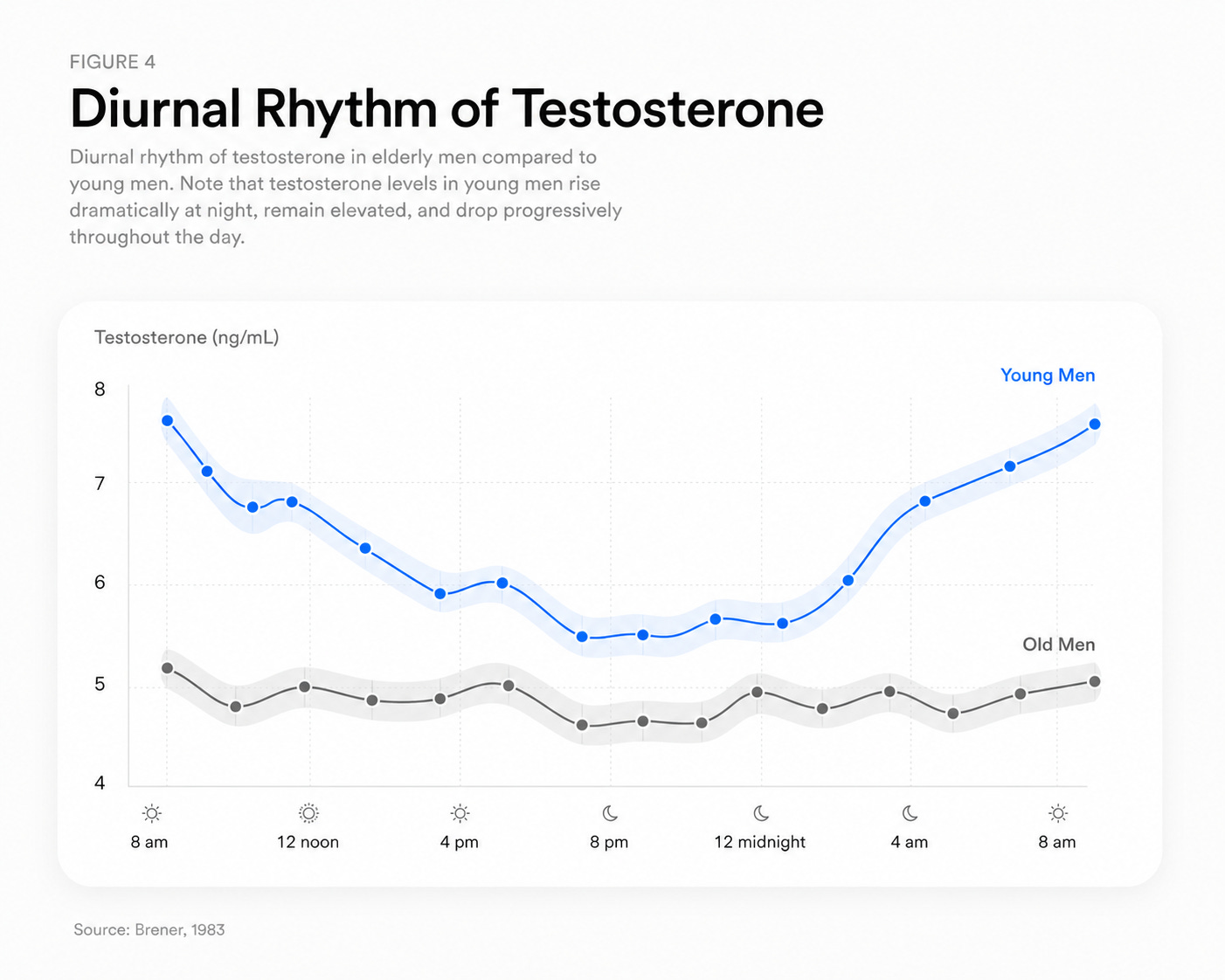
Book your testosterone, LH, FSH, estradiol, and other bloodwork hormonal markers between the hours of 7am-9am.
Why?
Because the morning LH pulse can be 2-3x higher than the trough and 7am-9am is usually the highest pulse of LH, meaning if you miss timing.
You can end up getting an entirely different system state
This is because most men’s testosterone tends to peak around 8AM and drops 25-30% by mid afternoon
Meaning if your consistently running a 3PM draw, then your not getting the most accurate reading that you actually deserve (who would have thought)
Biohacker is a reader-supported publication. To receive new posts and support my work, consider becoming a free or paid subscriber.
(Source: Brener, 1983.)
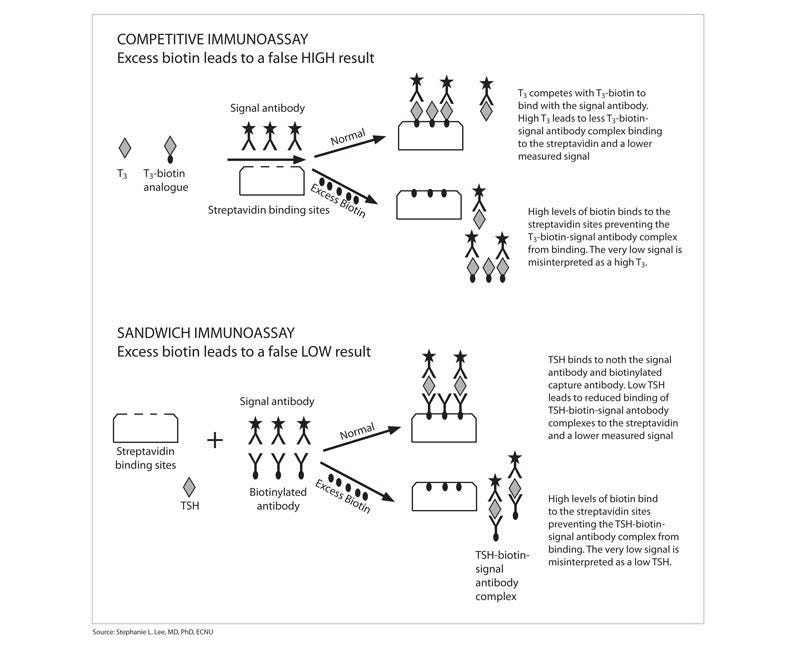
Avoid taking biotin before a blood draw.
Why?
Because biotin supplementation use can actually result in falsely high levels of T4 and T3 and falsely low levels of TSH
Which can lead to false diagnoses of hyperthyroidism, i discovered this after a consult a few years ago when one person in question.
Had drastic changes between two lab results that were very close in proximity. So a big change couldn’t have explained it (i found out he was supplementing biotin)
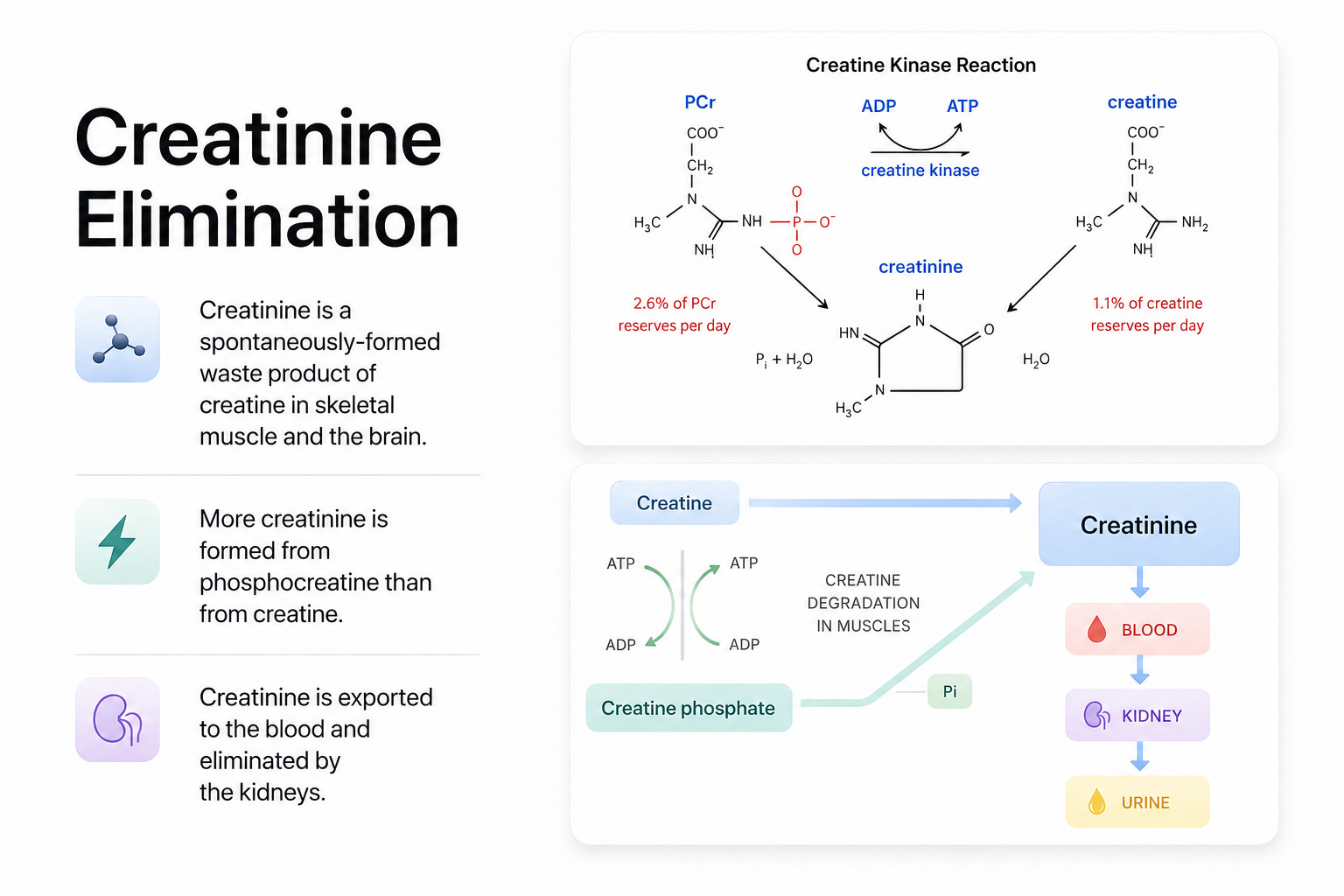
You dont have kidney problems, your just supplementing creatine
This one kind of differs from an actionable tip somewhat, but the point still stands, it’s usually nothing to worry about and it can call for a retest if it really worries you.
Explanation = When you supplement creatine, the metabolic byproduct/converted creatine can make your kidney function appear lower (EGFR)
And this is because some standard kidney tests use creatinine to estimate your EGFR.
So when you supplement creatine it can give you a false low as if to appear that your kidney function has changed.
This is why its important to check other markers such as, Cystatin C, electrolytes, MGR, etc alongside creatine = to prove or disprove the hypothesis.
Avoid hard training before you get your bloodwork done!
Why?
Because the enzymes that are measured/attributed to your liver health are also proxies/indicators for muscle damage.
This is why people tend to make the mistake of thinking they have ‘liver damage’ when in reality it’s probably that last superset you did at the gym….
And its reasons like this why nuance is needed with bloodwork…. (photo below reflects the rise)
AST (aspartate aminotransferase) – present in liver, but also very high in skeletal muscle and heart. Heavy or eccentric training can raise AST substantially for 24–72+ hours.
ALT (alanine aminotransferase) – is more liver‑specific than AST, but still can rise after intense or prolonged exercise, especially with muscle damage.
Continue reading this post for free, courtesy of Peak Protocols.