
What Is Mold?
Mold is a type of fungus that grows in multicellular filaments called hyphae. These networks of hyphae form a visible colony known as mycelium. Mold reproduces by releasing tiny spores into the air, which can settle on surfaces and grow when conditions are right — typically warm, damp environments with organic material to feed on.
Mold plays an important ecological role by breaking down dead organic matter like fallen leaves and wood. Some molds are useful to humans — Penicillium, for example, gave us penicillin, and certain species are essential in producing foods like blue cheese, soy sauce, and tempeh.
What Are Mycotoxins?
When mold sporulates in warm, damp environments, it produces secondary metabolites called mycotoxins. These are the toxic compounds that cause harm to the human body. The type of mold you’ve been exposed to determines which mycotoxins will affect your system.
Not everyone is affected equally. Approximately 24% of the population carries HLA-DR gene variants that prevent them from metabolising mycotoxins efficiently. These individuals are the ones who develop Chronic Inflammatory Response Syndrome (CIRS), which explains why some people deteriorate from minimal exposure while others tolerate it without issue.
How Mycotoxins Enter & Persist in the Body
Entry & Colonisation
Primary route: Inhalation of mold spores
Colonisation sites: Gut, sinuses, and lungs
Biofilm formation: Creates persistent reservoirs that continuously reseed the body with mycotoxinsMycotoxin Pathophysiology
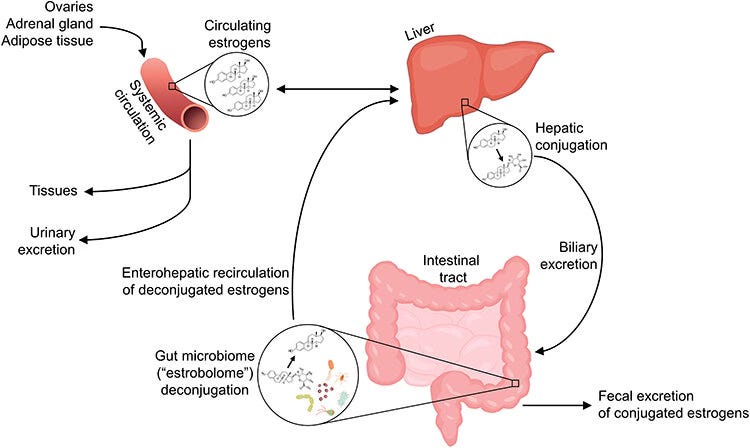
Enterohepatic Recirculation — The Core Problem
Mycotoxins cycle through the liver, kidneys, and gut in a continuous loop. Without intervention, they never leave. This is the single most important mechanism to understand:
Mycotoxins are metabolised in the liver
Dumped into bile
Reabsorbed in the ileum (small intestine)
Returned to the liver
The loop continues indefinitely
Key Insight: Without actively breaking this enterohepatic cycle using binders, mycotoxins will continue circulating and causing damage regardless of any other treatment you pursue.
Section 2: Core Analogies — Understanding the Treatment Principles
These two analogies explain why treatment must follow a specific order: removal first, then repair.
Analogy 1: The Gun & The Bullet
Source: Dr. Andrew Campbell
Think of mold as the gun and mycotoxins as the bullets. The mold is the delivery system. The mycotoxins are what cause the actual damage.
Treatment Principle: Removing the gun (leaving the moldy environment) stops the firing. But you still have to deal with the bullets already lodged in the body (mycotoxin clearance).
Analogy 2: Termites in Your House
Think of mycotoxins as termites in your house, where the house is your biology. Termites create systemic, structural damage throughout the building. Once you remove them, you still have to undertake a full repair job.
Treatment Principle: Step 1: Remove the termites (clear the mycotoxins from circulation). Step 2: Repair the structural damage (restore mitochondria, liver, kidneys, brain, immune system). You cannot repair while the termites are still active — the damage continues faster than you can fix it
Why This Order Matters
Most failed protocols target downstream symptoms without first breaking the enterohepatic recirculation cycle. Anti-inflammatories alone won’t stop the toxins from cycling. Immune suppressants make things worse because you’re already immunosuppressed. Symptom management without clearance is like repainting a termite-infested wall.
Section 3: Where Mycotoxins Cause Damage
Understanding which systems are affected allows you to tailor treatment based on the specific mycotoxins present. Mycotoxins don’t cause a single disease — they create a multi-system cascade.
1. Immune System (Primary Target)
Mycotoxins create a paradox: simultaneous immune suppression and immune activation.
Immunosuppression:
Secretory IgA disruption — mucosal immunity compromised across gut, respiratory, and urogenital tracts
Thymic involution — thymus gland shrinks and loses function
T-cell ratio destruction — CD4/CD8 balance collapses
Loss of immune tolerance — body can no longer distinguish self from non-self
Immune Activation:
Elevated pro-inflammatory cytokines (IL-6, TNF-α, IL-1β)
Chronic systemic inflammation
Autoimmune-like reactions — body attacks own tissues
Mast cell activation — histamine dysregulation, widespread reactivity
Clinical Presentation: Frequent infections, chronic inflammation and pain, multiple chemical sensitivities and food intolerances, autoimmune symptoms without clear diagnosis.
2. Detoxification Systems (Liver & Kidneys)
Liver Damage:
Enterohepatic recirculation trap — mycotoxins cycle between liver and intestines
Hepatic overload — liver cannot keep up with detox demand
Bile flow disruption — impaired fat digestion and toxin elimination
Elevated liver enzymes (ALT, AST in severe cases)
Kidney Stress:
Continuous filtering burden from recirculating toxins
Nephrotoxicity — direct kidney cell damage
Reduced glomerular filtration — decreased kidney efficiency
Clinical Presentation: Fatigue from toxic load, chemical sensitivity, inability to tolerate alcohol or medications, poor response to supplements.
3. Respiratory System
Sinuses — chronic mycotoxin reservoir, never-resolving sinus infections
Lungs — direct inhalation exposure, biofilm formation
Chronic post-nasal drip, persistent cough, breathing difficulty
Exercise intolerance and recurring sinus infections
4. Gastrointestinal System
Mycotoxins establish in the GI tract creating continuous internal exposure
Intestinal barrier breakdown (leaky gut syndrome)
Dysbiosis — beneficial bacteria killed, pathogenic overgrowth
Malabsorption — nutrients not absorbed despite good diet
Clinical Presentation: Chronic diarrhea or constipation, bloating and gas, food sensitivities (especially to mold-prone foods), nutrient deficiencies, IBS-like symptoms.
5. Nervous System
Blood-brain barrier compromise — mycotoxins enter brain tissue
Neurotransmitter disruption (serotonin, dopamine, GABA)
Neuroinflammation and mitochondrial dysfunction in neurons
Myelin damage — nerve signal disruption
Clinical Presentation: Brain fog (hallmark symptom), memory problems, difficulty concentrating, mood disorders (depression, anxiety), headaches/migraines, tingling/numbness, tremors in severe cases.
6. Endocrine System
HPA axis dysfunction — cortisol dysregulation (adrenal fatigue)
Thyroid suppression — hypothyroid symptoms even with normal labs
Sex hormone imbalance — oestrogen dominance, testosterone suppression
Insulin resistance — blood sugar dysregulation
Clinical Presentation: Chronic fatigue, weight gain or inability to lose weight, low libido, menstrual irregularities, temperature dysregulation (always cold), sleep disruption.
7. Mitochondrial Damage
Direct mitochondrial toxicity — energy production collapses
Oxidative stress — free radical damage to mitochondria
ATP depletion — cells cannot generate energy
Clinical Presentation: Profound fatigue not relieved by rest, exercise intolerance, post-exertional malaise, muscle weakness, crashing after minimal activity.
8. Cardiovascular System
Chronic inflammation — vascular endothelial damage
Dysautonomia — POTS-like symptoms
Blood pressure dysregulation — orthostatic hypotension
Clinical Presentation: Dizziness upon standing, rapid heartbeat, exercise intolerance, chest tightness.
9. Musculoskeletal System
Inflammatory myalgia, joint inflammation, connective tissue disruption
Clinical Presentation: Chronic muscle aches, migratory joint pain, muscle weakness, fibromyalgia-like symptoms.
10. Skin & Sensory Organs
Chronic dermatitis (rashes, eczema), histamine reactions (hives, flushing)
Ocular inflammation — red, irritated eyes, blurred vision, light sensitivity
The Cascade: How One System Affects All Others
This is why mycotoxin illness is so difficult to diagnose — it presents as multi-system dysfunction:
Mold exposure → Mycotoxin colonisation (gut, sinuses, lungs)
Enterohepatic recirculation established → Toxins never leave
Immune dysregulation → Thymus damaged, T-cells destroyed, autoimmunity emerges
Systemic inflammation → Blood-brain barrier breached, mitochondria damaged
Hormonal collapse → HPA axis fails, thyroid suppressed, sex hormones disrupted
Multi-system failure → Cardiovascular, GI, musculoskeletal, neurological decline
The Endgame Without Treatment: You’re simultaneously inflamed and immunocompromised, exhausted but unable to sleep, in pain but labs are “normal,” and doctors tell you it’s “just stress.”
Mycotoxin Classification by Organ Damage
Your protocol changes depending on which organs are under attack. Diagnosis determines which category you fall into:
Nephrotoxic (Kidney-Damaging)
Hepatotoxic (Liver-Damaging)
Ochratoxin A (35-day half-life — hardest case)Trichothecenes (multi-system) Citrinia + Aflatoxins.
Section 4: The Treatment Protocol — Sequential Order
Treatment must follow a strict order. Each phase depends on the previous one being completed or well underway. Skipping steps or treating out of sequence is why most protocols fail.
Step 0: Diagnosis
Visual Contrast Sensitivity (VCS) Test
Screens for biotoxin exposure before symptoms become severe. This is the initial screening tool.
Urinalysis or Blood Test
Confirms which specific mycotoxins are present (Ochratoxin A, Citrinin, Trichothecenes, etc.). This tells you what you’re clearing, which organs are at risk, and how long the protocol needs to run.
Phase 1: Break the Enterohepatic Cycle (Months 1–2)
This is the foundation. Nothing else works until the recirculation loop is broken.
