
1. The Idea: An Endogenous Immune Brake
What I’ve learned, or at least inferred from studying α-MSH (alpha melanocyte-stimulating hormone) in more depth, is that it has the potential to act as a braking system in our immune system.
Which I’m going to expand on later in the article, because from a first-principles perspective on immune biology, it actually makes perfect sense
Your biology, and your immune system, essentially has certain processes that act as balancing boards, allowing your body to return to an appropriate level of functioning.(homestasis)
It does this through different arms, pathways and feedback loops that all interplay with each other.
My idea, or at least what I’ve extrapolated from studying, is that α-MSH extends beyond just being a ‘pigmentation hormone/peptide’
It also has an innate role to play in the immune system.
More specifically, it may act like an endogenous brake of sorts.
2. The Immune System Needs a Goldilocks Zone
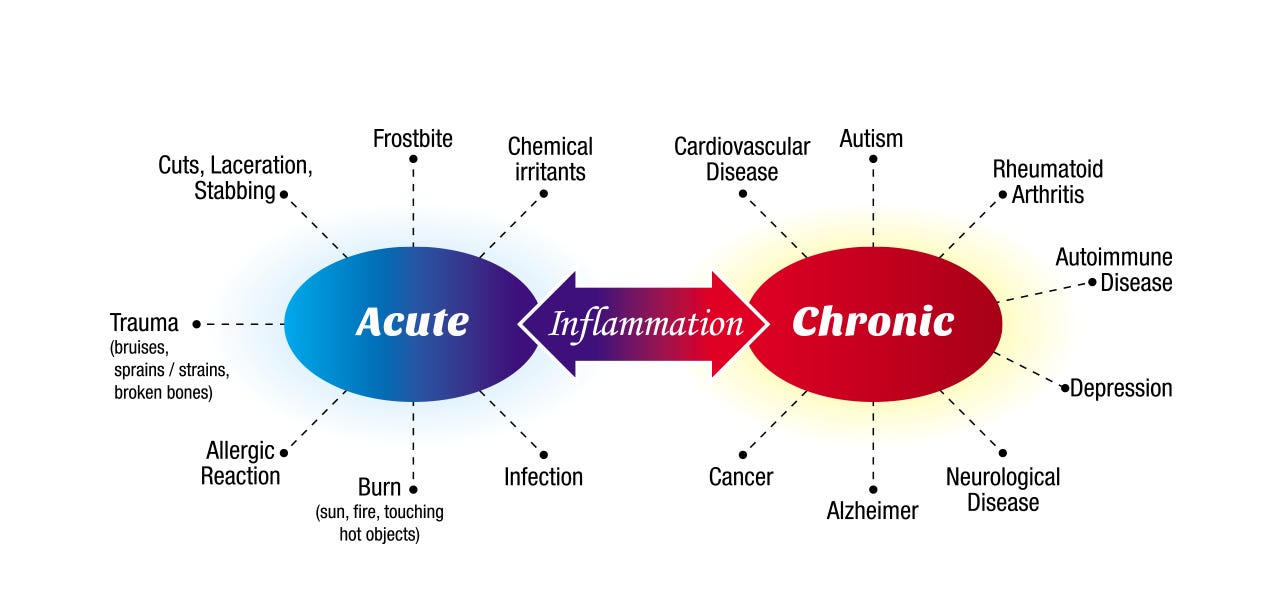
See, our body likes to operate within a Goldilocks zone.
For example, in order for us to adequately respond to something like an infection, we actually need immune signalling.
We just don’t need too much of it.
Because then we cross over into the domain of OVER-ACTIVATION.
So there’s a balance to be had:
Not enough inflammation / immune signalling → can’t respond adequately to infection.
Too much inflammation / immune signalling → crosses into inflammatory territory.
So the body’s goal isn’t necessarily to have NO immune activity.
It’s about having appropriate activation at the right times
3. Inflammation Isn’t Automatically Bad
I’m going to explain how this actually works, and why we need to be careful that we don’t orient ourselves emotionally to words like “inflammation” or “pro-inflammatory cytokines.”
Because these things, in the right circumstances, can ACTUALLY be good for us.
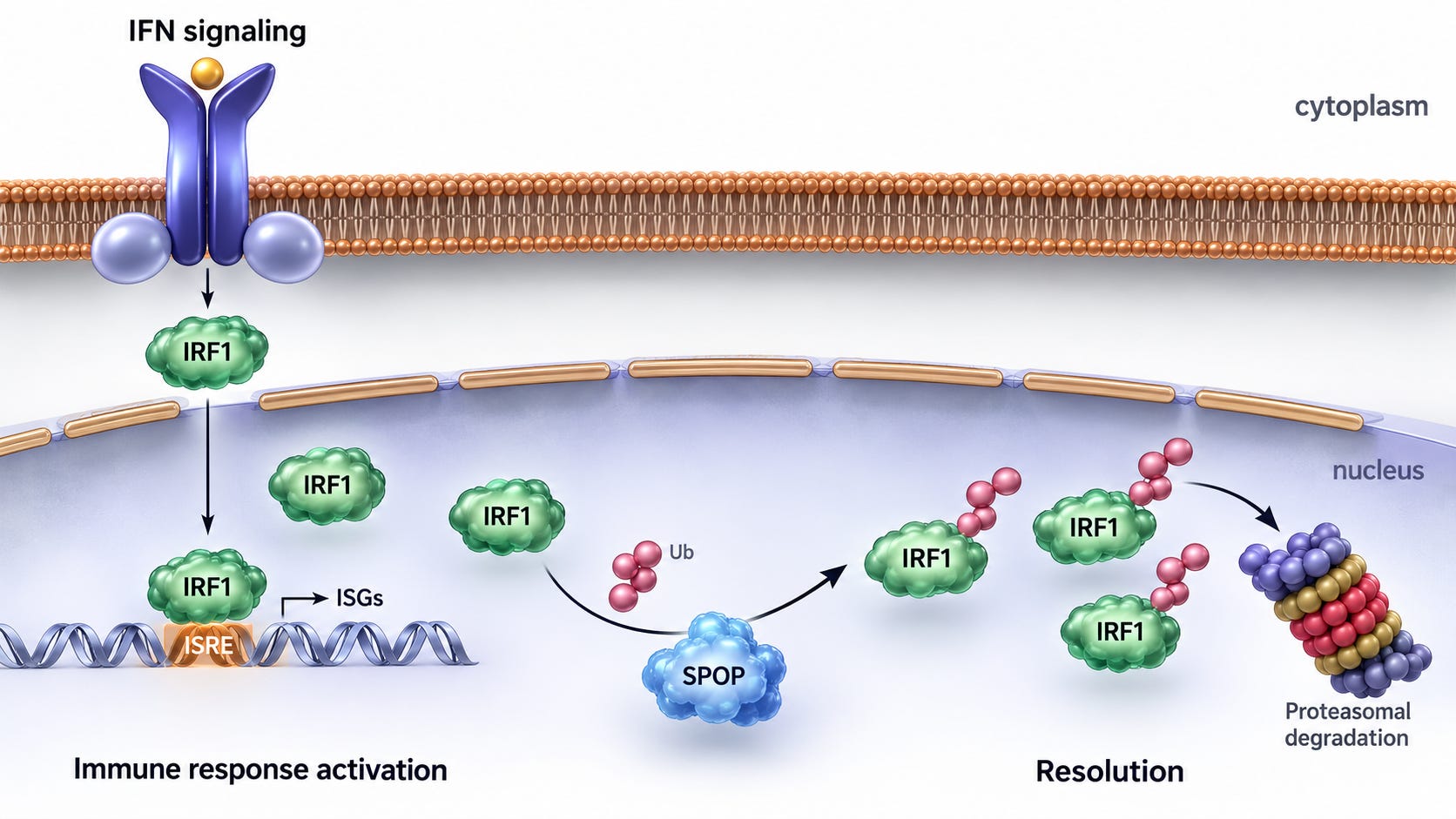
Pro-inflammatory cytokines, for example, can act as signalling molecules that help recruit and activate immune cells during an infection through processes such as chemotaxis.
If that process didn’t exist you could quite literally struggle to mount an adequate response to an infection.
So I suppose what I’m trying to tell you is that everything must be there, because everything has its role.
The problem isn’t necessarily the existence of inflammation, its the context and magnitude of that inflammation.
And this is where α-MSH becomes MUCH more interesting.
4. α-MSH remember its more Than a “Pigmentation Hormone”
And the reason I’m countering this argument is because based on mainstream thought, it has garnered most of its attention around the idea of being a “pigmentation hormone.” because of the association with peptides such as Melanotan I and ll
But I think that sort of short sells it.
It isn’t simply a one-trick pony, but part of a much longer chain that’s involved in the neuroendocrine–immune regulatory system.
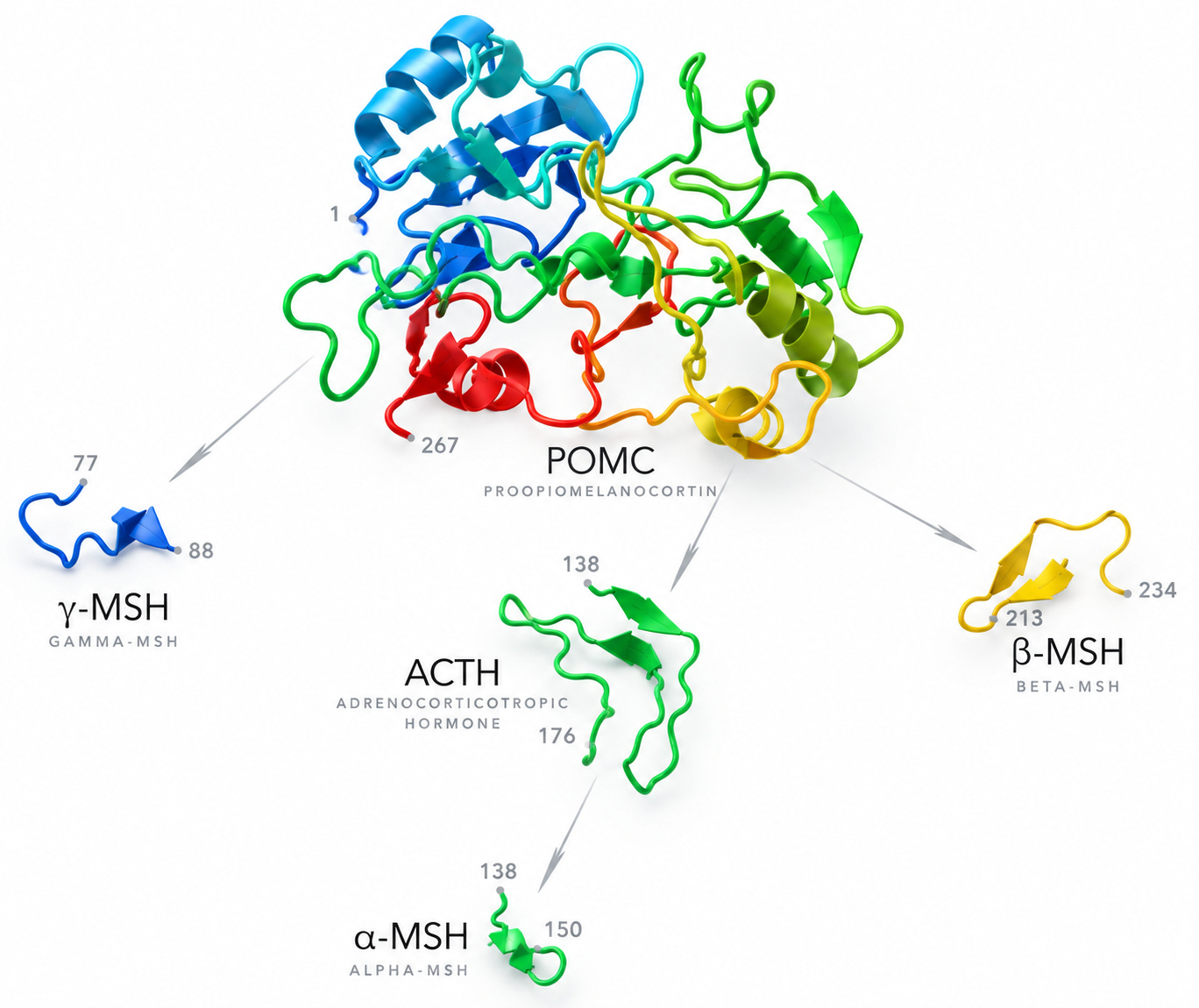
And it all starts with the POMC & melanocortin pathway.
5. The POMC → α-MSH Pathway
POMC = proopiomelanocortin is a precursor protein that enzymatically cleaved into smaller peptide fragments. (By an enzyme called PSCK1/2')
And α-MSH is one of these peptide fragments that is produced by this process.
I also want to be sure to mention that A-MSH It’s not what it is that interests me, by the way.
It’s more what it does, and what it’s connected to.
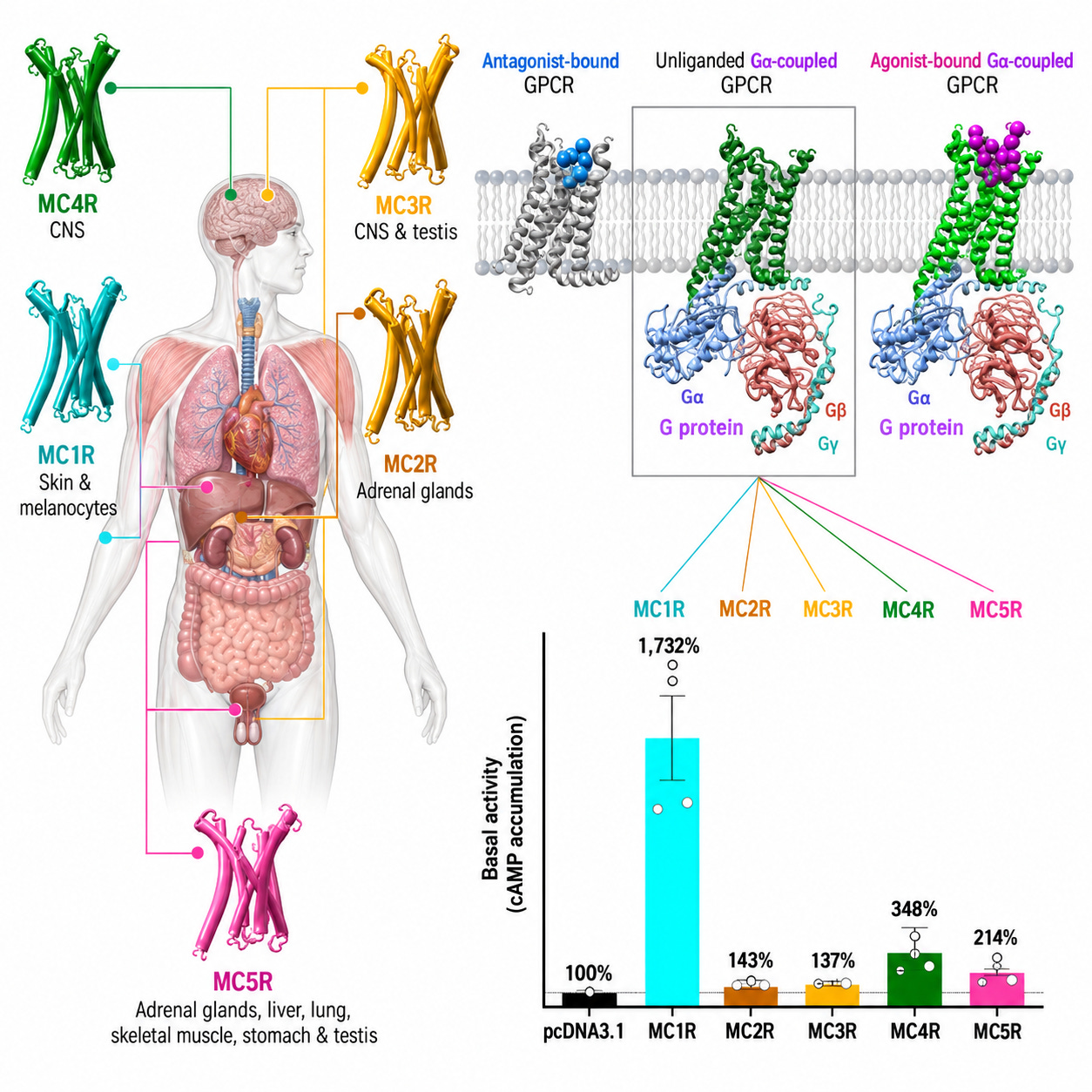
Because α-MSH can act as a ligand for melanocortin receptors.
In simple terms.
α-MSH = is a signal & melanocortin receptors = are the receptors that receive the signal.
But it gets better.
Would you like to guess where melanocortin receptors exist?
Immune cells.
Which is where the interesting link between the immune system starts.
6. The Melanocortin System and Immune Cells
This is where it all started to come together for me.
Melanocortin receptors aren’t confined to the systems traditionally associated with pigmentation as you would expect.
Different melanocortin receptors are expressed across various immune cells such as
Neutrophils (Most abundant immune cell in the blood stream)
T-cells (Produced by the bone marrow, trained by the thymus)
Monocytes (Which differentiate into macrophages)
Macrophages
Which raises an almost obvious question:
Why would the immune system have receptors capable of receiving signals from melanocortins?
And that creates a much broader picture beyond pigmentation.
To me it starts to look like it may be part of a regulatory communication system between the nervous, endocrine and immune systems. (an arm of sorts)
7. Then I found KPV.
This is where it all started to get really interesting for me…
I was reading through the studies, and using deductive reasoning to start putting the pieces together.
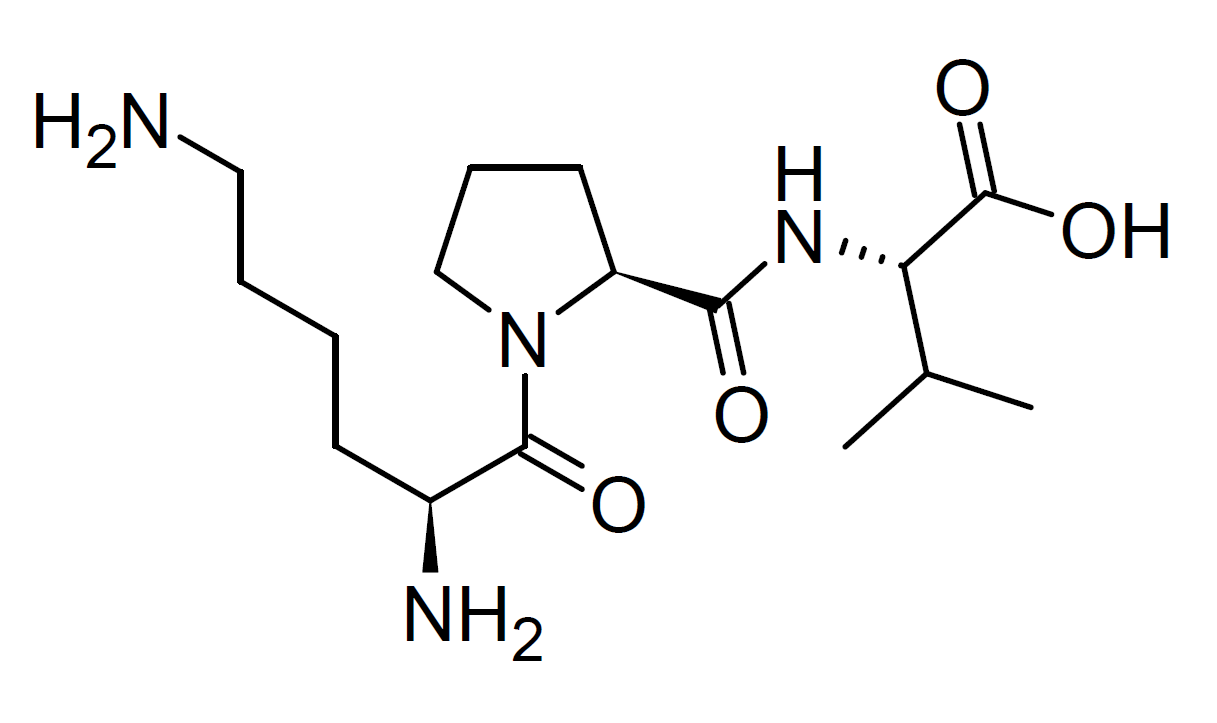
It actually started when I was looking into the tripeptide KPV, lysine, proline, valine — which is a sequence derived from α-MSH.
Which made me ask a question:
If KPV is a fragment of α-MSH, and KPV itself appears to have anti-inflammatory properties, then where does the biological activity come from?
And why does it retain biological activity associated with the fuller peptide?
That’s one part which really caught my attention.
Because you’re taking a much larger peptide, breaking it down into a smaller fragment, and yet that fragment can still retain the biological activity and information.
So what exactly is being retained?
Where is that information encoded?
And how does a fragment of the whole retain some of the functional characteristics of the whole?
8. The Bohm Connection
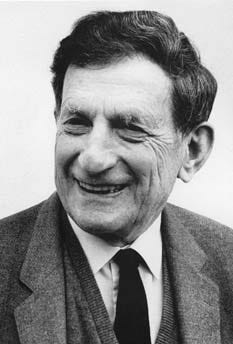
It actually reminds me of a quote attributed to David Bohm:
“Everything is a whole with parts, and every part exists as the whole.”
And whether you want to take that purely philosophically, or use it as a way of thinking about biology, I think there’s something interesting here.
Because biology is full of systems within systems.
Parts make up wholes.
Wholes contain parts.
And sometimes, when you isolate a particular part, it can still carry some of the functional properties of the larger system it came from.
And that brought me back to KPV.
Because if KPV is a sequence within α-MSH, and KPV has biological activity of its own, then I started asking:
Is there something about the structure of α-MSH that gives rise to this biological activity, and does KPV retain part of that functionality?
That was the question that sent me further down the rabbit hole…
9. So What Is α-MSH Actually Doing?
This is where I think the distinction becomes important, Im not saying that α-MSH solely exists purely to “suppress inflammation.”
That would be me over simplifying, I think α-MSH appears to participate in regulating your immune activity.
And it helps regulate how strongly it responds and how that response is controlled..
10. Why This Gets Interesting in CIRS / Mold Illness
This is where my interest in α-MSH became much more practical.
I’ve seen the implications of this firsthand when treating clients with CIRS / mold-related illness, where low α-MSH has been discussed in the context of the broader physiological picture.
And it raises an interesting possibility:
If α-MSH participates in regulating immune signalling, then reduced α-MSH signalling could theoretically remove some of that regulatory braking capacity, which is why this would need to be rectified to restore overall immune balance.
I hope you enjoyed reading
Oran/Biohacker.