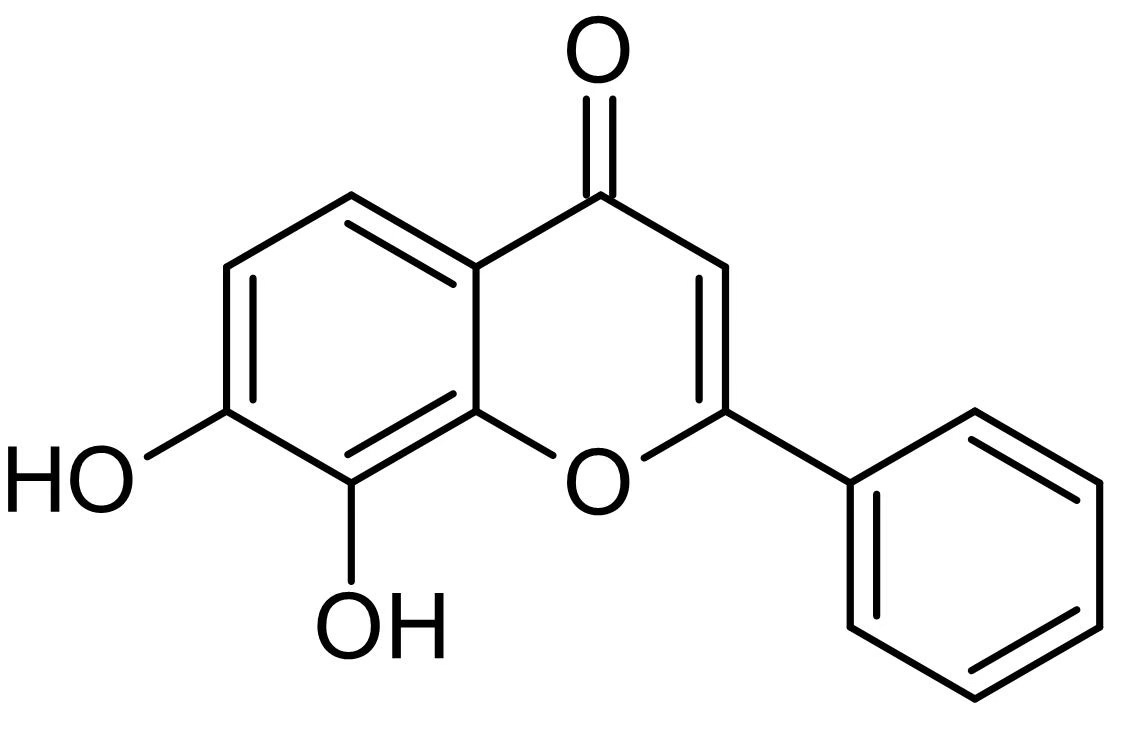
My enthusiasm for the nootropics industry has never been stronger, especially as it begins to merge and leverage research from the pharmaceutical world.
Big pharmaceutical conglomerates live and die by efficacy
They exist to build drugs that work, and in doing so they accumulate an enormous depth of mechanistic understanding. Now that this infrastructure is overlapping with our biohacking universe, we are witnessing a new wave of nootropics and peptides.
Compounds that are not just “feel‑good picks,” but agents that actually target and reshape the architecture of your brain.
At the heart of this shift is the idea of synaptic plasticity synergy
The deliberate pairing of compounds that enhance the brain’s ability to rewire itself with behaviors that naturally induce plasticity
Learning, exercise, and environmental enrichment. This is where one of the most potent nootropics I have tried this past year comes into the spotlight: 7,8‑dihydroxyflavone (7,8‑DHF), a naturally derived flavonoid and selective TrkB agonist.
Why 7,8‑DHF stands out
TrkB agonists are now being placed at the forefront of Alzheimer’s research because they target the BDNF/TrkB axis, one of the primary signaling pathways responsible for neuronal survival, synaptic plasticity, and long‑term memory formation. 7,8‑DHF is especially interesting because it is a small‑molecule, blood‑brain‑barrier‑penetrant compound that can mimic BDNF‑like activity without the delivery challenges of the protein itself. In preclinical work, it has been shown to activate TrkB receptors, support neuronal survival, and rescue synaptic and memory deficits in models of aging and neurodegeneration.
What surprised me about this nootropic was not just its effects on cognition, but its profound ability to boost mood and emotional resilience. Many anecdotal reports describe 7,8‑DHF as more than a cognitive enhancer; it often feels like a “life‑enhancer,” lifting baseline energy, motivation, and mental clarity. For me personally, the mood‑elevating effect was one of the first things I noticed, and it stayed consistent across different contexts—from intense knowledge‑work to creative flow tasks.
If I were to suggest anything to pair this with, it would be long walks, deliberate learning, and basic cholinergics such as CDP‑choline. There is a quiet, almost intuitive synergy when TrkB‑driven plasticity is combined with acetylcholine‑driven attention and learning. TrkB agonism appears to “prime” the substrate of the brain, while cholinergics provide the acetylcholine‑rich environment that supports encoding and consolidation. This is still early‑stage insight, but the subjective experience is strong enough that I now include 7,8‑DHF in my core repertoire and in the protocols I recommend to clients.